Best Orthopedic Dog Beds for Large Dogs: Complete Buying Guide
Large dogs need more than a soft place to sleep. Because of their size and weight, they can put more pressure on their joints and muscles while resting. Therefore, choosing the right bed can make their sleeping area more comfortable and supportive.
The best orthopedic dog beds for large dogs combine supportive cushioning, durable materials, enough sleeping space, and a design that suits your dog’s sleeping habits.
Whether you have a German Shepherd, Labrador Retriever, Rottweiler, Golden Retriever, Great Dane, or another large breed, this guide will help you understand what to look for when choosing an orthopedic dog bed.
What Is an Orthopedic Dog Bed?
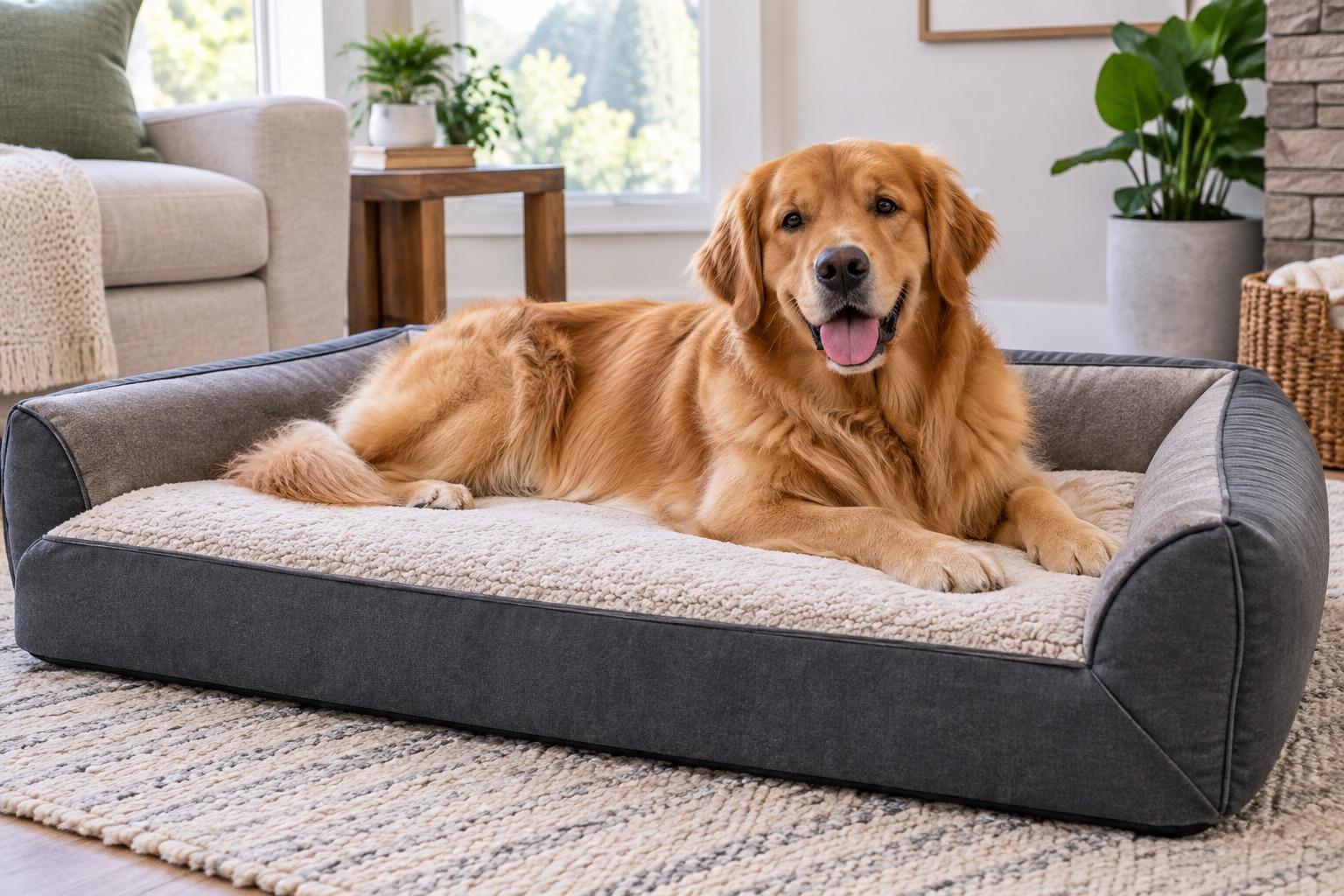
An orthopedic dog bed is designed to provide additional support through its cushioning and construction. Unlike basic dog beds, orthopedic models generally use thicker or higher-density foam to create a more supportive sleeping surface.
The goal is to provide comfortable support while your dog rests. In addition, many orthopedic beds use memory foam, high-density foam, or multiple foam layers.
For large dogs, the construction matters because a thin cushion can compress quickly under greater body weight.
Why Do Large Dogs Need Orthopedic Dog Beds?
Large breeds carry more body weight than smaller dogs. As a result, their joints and pressure points can experience more contact with the sleeping surface.
A supportive dog bed can provide a more stable place to rest. Moreover, a properly sized bed allows your dog to stretch out without hanging over the edges.
Orthopedic beds can be especially useful for:
- Large and giant breeds
- Older dogs
- Dogs that prefer firm support
- Dogs that sleep for long periods
- Dogs that need a spacious resting area
However, every dog has different needs. If your dog has a specific medical condition or persistent discomfort, consult your veterinarian before choosing a bed based on health-related claims.
What Makes the Best Orthopedic Dog Bed for Large Dogs?
Not every orthopedic dog bed offers the same level of support. Therefore, look at the construction rather than choosing a bed based only on its appearance.
1. High-Density Foam
High-density foam can provide stronger support for heavier dogs. It should maintain its shape instead of flattening quickly.
Memory foam can also contour around the dog’s body. However, the ideal firmness depends on your dog’s size, sleeping position, and individual preference.
2. Multiple Foam Layers
Some orthopedic dog beds use multiple layers of foam. For example, a supportive base can provide structure while a softer upper layer improves comfort.
This combination can provide a balance between support and cushioning.
3. Adequate Thickness
Large dogs generally need a thicker sleeping surface than small breeds. However, thicker does not always mean better.
The foam should have enough density and support to prevent your dog from sinking directly onto the floor.
4. Durable Cover
Large dogs can put more stress on their beds. Therefore, choose a cover made from durable fabric.
A removable and washable cover is also useful because it makes routine cleaning easier.
5. Strong Construction
The stitching, seams, zippers, foam quality, and overall construction can affect how long the bed lasts.
If your dog frequently moves around or scratches before sleeping, choose a bed designed to withstand regular use.
Choosing the Right Size Orthopedic Dog Bed
Size is one of the most important factors when buying an orthopedic bed for a large dog.
First, measure your dog from the nose to the base of the tail. Then, measure the space your dog occupies while lying down.
Add extra room so your dog can stretch, turn, and change positions comfortably.
A large dog should not have to curl up simply because the bed is too small.
Large vs XL Dog Beds
Large dog beds can work well for breeds such as Labradors and Golden Retrievers. However, larger breeds may need XL or XXL options.
Always check the actual dimensions rather than relying only on the product label.
A bed marketed as “XL” can have different dimensions depending on the manufacturer.
Memory Foam vs High-Density Foam
Memory foam and high-density foam are both common materials used in orthopedic dog beds.
Memory foam can contour around the dog’s body and provide a cushioning feel. On the other hand, high-density support foam can provide a firmer base.
Some beds combine both materials. Consequently, a multi-layer design may provide both cushioning and structural support.
When comparing beds, consider your dog’s size, weight, sleeping position, and preference for soft or firm surfaces.
Orthopedic Dog Beds for Senior Large Dogs
Older large dogs may spend more time resting. Therefore, their bed should provide a comfortable and supportive sleeping surface.
A low-entry design can also make it easier for some dogs to get on and off the bed.
Look for:
- Supportive foam
- A stable base
- A comfortable surface
- Easy access
- Non-slip construction
- Washable covers
However, an orthopedic bed should not replace veterinary care when a dog has ongoing mobility or pain concerns.
Orthopedic Dog Beds for German Shepherds
German Shepherds are active, medium-to-large dogs that often benefit from a spacious sleeping area.
Choose a bed that provides enough length for the dog to stretch completely. Additionally, a strong foam base can help the bed maintain its shape under regular use.
For German Shepherds, consider an XL orthopedic dog bed if the standard large size does not provide enough space.
Rottweilers have a strong and substantial build. Therefore, their beds need adequate support and durable construction.
Look for a mattress with high-density foam and a strong cover. Furthermore, check the manufacturer’s recommended weight capacity.
A bed that compresses too easily may not provide the support you expect.
Orthopedic Dog Beds for Labradors and Golden Retrievers
Labradors and Golden Retrievers often enjoy beds with plenty of room. They may also bring dirt, moisture, and loose fur onto the sleeping surface.
For these breeds, consider an orthopedic bed with:
- A removable cover
- Washable fabric
- Durable stitching
- Spacious dimensions
- Supportive foam
As a result, you can maintain a cleaner sleeping area while providing comfortable support.
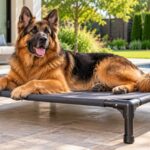
Orthopedic vs Elevated Dog Beds
Orthopedic and elevated dog beds have different designs and purposes.
An orthopedic bed generally focuses on cushioning and supportive foam. An elevated bed, meanwhile, raises the dog above the floor and allows airflow underneath.
Therefore, the better option depends on your dog’s needs and sleeping environment.
If your dog prefers a soft mattress, an orthopedic bed may be suitable. If your dog spends significant time outdoors or gets warm easily, an elevated bed may provide useful airflow.
Some owners may also use different beds in different areas of the home.
Indoor Orthopedic Dog Beds vs Outdoor Dog Beds
Traditional orthopedic beds are usually better suited to indoor environments where the foam can remain protected from excessive moisture.
For patios, garages, cottages, or outdoor areas, an elevated dog bed may be more practical.
If you want to use an orthopedic bed near an outdoor area, consider a waterproof or water-resistant cover. However, always follow the manufacturer’s care instructions.
Easy-to-Clean Orthopedic Dog Beds
Large dogs can shed considerable amounts of fur. They can also bring dirt and moisture onto their beds.
Therefore, choose a bed with a removable, washable cover whenever possible.
A simple cleaning routine can help:
- Vacuum or remove loose fur regularly.
- Remove the cover.
- Wash it according to the manufacturer’s instructions.
- Clean the surrounding area.
- Allow the cover and foam to dry completely before use.
Do not soak foam unless the manufacturer specifically recommends it.
Non-Slip Bases for Large Dog Beds
A non-slip base can help keep the bed in place when your dog gets on or off it.
This feature can be particularly useful on hardwood, tile, laminate, or other smooth flooring.
A stable bed can also reduce unnecessary movement during everyday use.
Therefore, check the underside of the bed before purchasing.
Waterproof and Water-Resistant Covers
A water-resistant cover can protect the foam from small spills and accidents. This feature can make maintenance easier.
However, waterproof and water-resistant do not mean the same thing.
A waterproof cover is designed to provide stronger protection against moisture, while a water-resistant material may only repel smaller amounts of liquid.
Check the product specifications before making a purchase.
How to Choose an Orthopedic Dog Bed for Your Large Dog
Before buying, compare the following factors:
Size: Make sure your dog can stretch comfortably.
Foam: Look for supportive, high-quality foam.
Thickness: Choose enough thickness for your dog’s weight.
Cover: Prefer removable and washable materials.
Durability: Check stitching, seams, and overall construction.
Base: Look for a stable or non-slip bottom.
Maintenance: Choose materials that are easy to clean.
Weight capacity: Confirm that the bed can safely support your dog.
Common Mistakes When Buying an Orthopedic Dog Bed
Choosing a bed based only on price is one common mistake. A cheaper bed may not provide the required support or durability.
Another mistake is buying a bed that is too small. Even if the bed has high-quality foam, it will not be comfortable if your dog cannot stretch properly.
Some owners also focus only on thickness. However, foam density and construction are equally important.
Finally, avoid choosing a bed based only on appearance. Instead, consider size, materials, support, durability, and cleaning requirements together.
Regular maintenance can help keep an orthopedic dog bed comfortable for longer.
Remove fur and dirt regularly. Wash the cover according to the manufacturer’s instructions. Also, inspect the foam and seams periodically.
If the foam becomes permanently compressed, damaged, or loses its original shape, it may be time to replace the bed.
Keeping the bed in a dry, clean location can also help protect the materials.
The best orthopedic dog beds for large dogs should provide enough space, supportive cushioning, durable construction, and easy maintenance.
Start by measuring your dog. Next, compare the bed’s dimensions, foam construction, thickness, weight capacity, cover material, and base.
Large breeds such as German Shepherds, Rottweilers, Labradors, and Golden Retrievers can benefit from spacious and supportive sleeping surfaces. However, every dog has different preferences.
By choosing a properly sized and well-constructed orthopedic dog bed, you can create a comfortable resting space that suits your dog’s everyday routine.