How Long Do Aluminum Dog Beds Last? Durability Guide
When choosing a dog bed, durability is just as important as comfort. This is especially true for large dogs, active dogs, aggressive chewers, and dogs that spend time outdoors. A well-made aluminum dog bed can last for many years, making it a popular alternative to traditional foam and fabric beds.
But exactly how long do aluminum dog beds last?
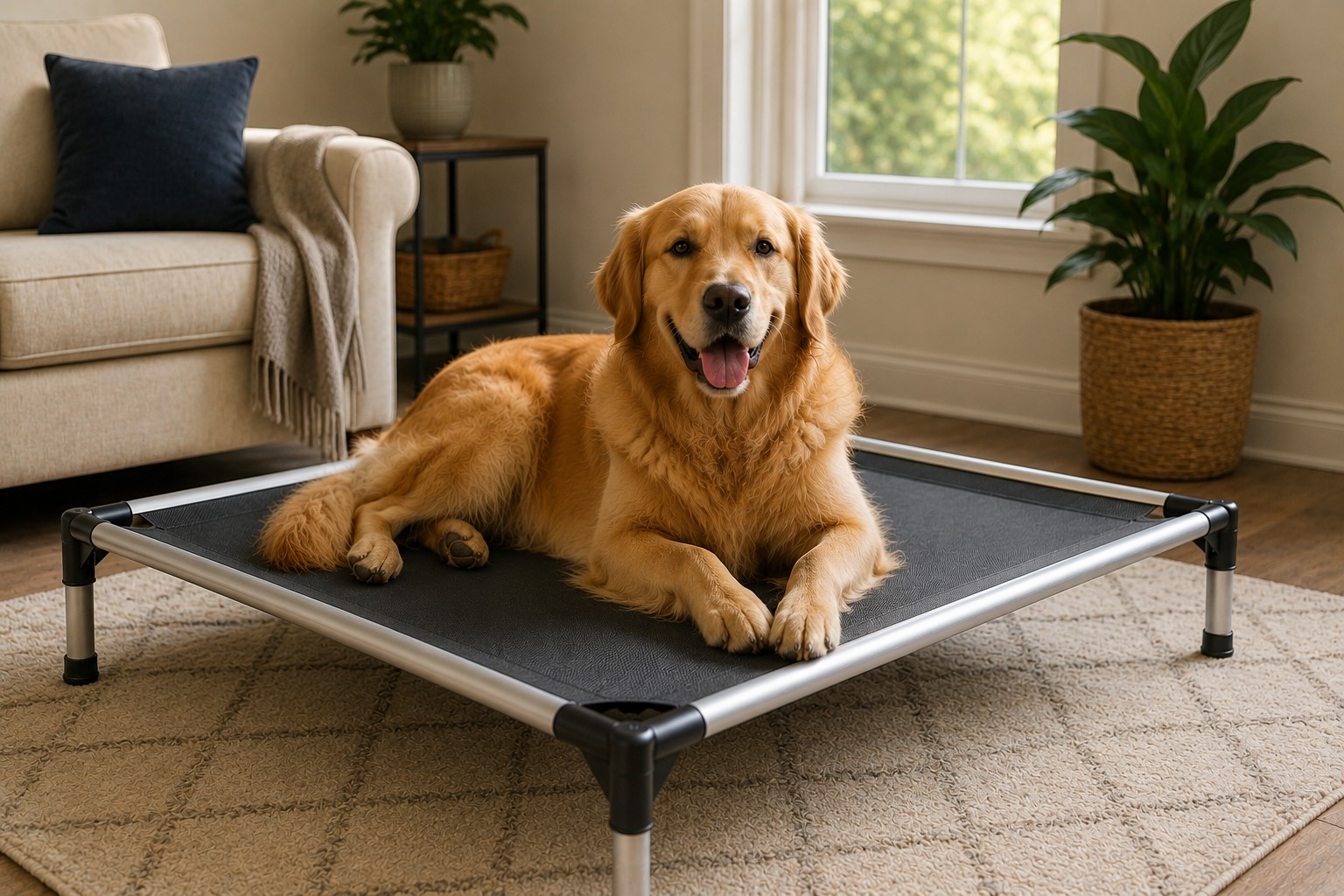
The answer depends on the quality of the frame, sleeping surface, your dog’s size and behavior, how often the bed is used, and whether it is kept indoors or outdoors. With proper care, a high-quality aluminum elevated dog bed can potentially provide many years of everyday use .
This guide explains what affects aluminum dog bed lifespan, what makes a bed durable, and how to make your investment last longer.
How Long Does an Aluminum Dog Bed Last?
A quality aluminum dog bed can last for many years , while the sleeping fabric may need replacement sooner than the aluminum frame.
The aluminum frame itself is typically the most durable component. Aluminum is lightweight, strong, and naturally resistant to corrosion.
However, the overall lifespan depends on several factors:
- Aluminum frame quality
- Fabric durability
- Dog’s weight
- Chewing and scratching behavior
- Frequency of use
- Indoor or outdoor location
- Exposure to moisture and sunlight
- Cleaning and maintenance
- Quality of hardware and joints
Some manufacturers design their aluminum elevated beds for long-term use and offer replacement components, allowing owners to replace worn fabric or hardware rather than replacing the entire bed.
Therefore, a replaceable sleeping surface can significantly extend the useful life of an aluminum dog bed .
Why Are Aluminum Dog Beds So Durable?
Aluminum is widely used in products where strength, low weight, and corrosion resistance are important.
For dog beds, this creates several advantages.
Lightweight
Aluminum is considerably lighter than many steel constructions, making large dog beds easier to move.
Strong
A properly engineered aluminum frame can provide excellent support for large and heavy dogs.
Corrosion Resistant
Aluminum naturally forms a protective oxide layer that helps resist corrosion.
Low Maintenance
The frame generally requires relatively little maintenance compared with materials that are more vulnerable to rust.
Long-Term Construction
Unlike a stuffed dog bed, an aluminum elevated bed doesn’t rely on foam that can flatten or lose its shape over time.
What Usually Wears Out First?
One important thing to understand is that the aluminum frame and sleeping surface don’t necessarily have the same lifespan .
In many elevated dog beds, the fabric or mesh receives more daily wear than the metal frame.
The sleeping surface experiences:
- Dog claws
- Scratching
- Digging
- Body weight
- Dirt
- Moisture
- Repeated movement
- Sun exposure
Eventually, fabric can stretch, wear, or tear.
That’s why replacement fabric is an important feature to consider when purchasing a durable aluminum dog bed.
Instead of replacing the entire bed, you may be able to replace only the worn component.
What Makes an Aluminum Dog Bed Long-Lasting?
Not all aluminum dog beds are built the same.
If durability is your priority, look for the following features.
1. Strong Aluminum Frame
The frame should feel stable and sturdy when your dog climbs onto the bed.
Look for:
- Reinforced corners
- Strong tubing
- Secure joints
- Quality fasteners
- Stable legs
- Durable feet
A strong frame helps prevent wobbling and structural damage during everyday use.
2. Durable Sleeping Surface
The fabric can determine how long the entire bed remains usable.
Common materials include:
- Heavy-duty vinyl
- Ballistic fabric
- Ripstop fabric
- Reinforced mesh
- Textilene-style mesh
Choose the material according to your dog’s behavior.
For a calm dog, standard durable mesh may be sufficient.
For an aggressive chewer or digger, a heavy-duty vinyl or reinforced fabric may be a better option.
3. Protected Corners
Corners can become vulnerable areas for dogs that chew or scratch.
A design that keeps the fabric tightly secured and minimizes exposed edges can help reduce damage.
This is particularly important when purchasing a chew-resistant aluminum dog bed .
4. High Weight Capacity
Large dogs place more stress on the frame and sleeping surface.
Therefore, always check the manufacturer’s weight rating before purchasing.
For example, some current aluminum elevated beds are designed to support dogs weighing up to 250 pounds, while other models have lower weight limits.
Never assume that every aluminum bed has the same capacity.
They can, particularly when used by large or active dogs.
Traditional dog beds often contain:
- Foam
- Stuffing
- Zippers
- Seams
- Padded edges
- Soft fabric
These materials can flatten, absorb moisture, develop odors, or become damaged by chewing.
An aluminum elevated bed uses a much simpler construction.
| Feature | Aluminum Elevated Dog Bed | Traditional Dog Bed |
|---|---|---|
| Frame | Aluminum | Usually none |
| Foam | Usually none | Common |
| Stuffing | Usually none | Common |
| Airflow | Excellent | Limited |
| Chew resistance | High with suitable design | Varies |
| Cleaning | Easy | Varies |
| Outdoor use | Often suitable | Depends on materials |
| Long-term durability | High-quality models can be excellent | Varies |
For dogs that regularly destroy soft beds, an aluminum elevated design can therefore offer better long-term value.
How Long Does an Aluminum Dog Bed Last Outdoors?
Outdoor use can affect the lifespan of any dog bed.
An aluminum frame is well suited to outdoor environments because it is naturally corrosion resistant. However, other parts of the bed may experience more wear from:
- Sunlight
- Rain
- Humidity
- Dirt
- Mud
- Temperature changes
- Outdoor debris
The fabric may deteriorate before the aluminum frame if the bed is exposed to direct sunlight and harsh weather continuously.
To maximize outdoor lifespan:
- Place the bed in a shaded location
- Avoid standing water
- Clean dirt regularly
- Allow wet fabric to dry
- Follow manufacturer care instructions
- Store the bed during extreme weather when practical
Are Aluminum Dog Beds Good for Large Dogs?
Yes. Aluminum elevated beds can be particularly useful for large and giant breeds.
Large dogs require a sleeping surface that can support their body weight without excessive sagging.
A quality aluminum frame can provide strong structural support while remaining relatively lightweight.
When choosing a bed for a large dog, pay attention to:
Weight capacity + sleeping dimensions + frame construction
All three are important.
A bed may have a strong frame but still be too small for your dog.
Are Aluminum Dog Beds Good for Aggressive Chewers?
They can be an excellent option.
Traditional dog beds can be easy for aggressive chewers to destroy because they contain foam and stuffing.
Elevated aluminum beds generally eliminate much of that material.
For aggressive chewers, look for:
- Protected corners
- Minimal exposed fabric
- Tightly stretched sleeping surface
- Heavy-duty fabric
- Reinforced frame
- Strong hardware
- Chew warranty
However, no dog bed should be considered completely indestructible. A determined dog may eventually damage even a highly durable product.
How Does Your Dog's Behavior Affect Bed Lifespan?
Your dog’s behavior can have a significant impact on durability.
Calm Dog
A calm dog that mainly sleeps on the bed may use the same bed for many years with minimal wear.
Active Dog
Frequent jumping and movement place additional stress on the frame and fabric.
Scratcher
Dogs that scratch before lying down can gradually wear the sleeping surface.
Digger
Repeated digging can stretch or damage fabric.
Aggressive Chewer
Chewing can dramatically shorten the lifespan of a poorly designed bed.
Therefore, when comparing long-lasting dog beds , consider your dog’s habits rather than focusing only on the frame material.
How to Make an Aluminum Dog Bed Last Longer
Proper maintenance can extend the life of your bed.
Clean It Regularly
Remove hair, dirt, dust, and debris before they accumulate.
Inspect the Frame
Check the corners, joints, legs, and fasteners periodically.
Check the Fabric
Look for small tears or loose areas before they become major damage.
Keep It Dry
If the bed gets wet, allow it to dry properly according to the manufacturer’s instructions.
Protect It From Extreme Weather
If used outdoors, placing it under a covered area can reduce exposure to rain and direct sunlight.
Use the Correct Weight Rating
Don’t use a bed beyond its recommended capacity.
Address Chewing Early
If your dog starts chewing the edges, redirect the behavior before the damage becomes extensive.
Does Aluminum Rust?
Aluminum does not rust in the same way that iron or ordinary steel does.
Instead, aluminum forms a thin oxide layer when exposed to oxygen. This helps protect the underlying metal from further corrosion.
That’s one reason aluminum elevated dog beds can be useful for outdoor applications.
However, it doesn’t mean an aluminum dog bed is completely immune to environmental damage.
The hardware, coatings, fabric, and other components can still deteriorate depending on the environment.
Aluminum vs Steel Dog Bed Durability
Both aluminum and steel can be durable materials for dog beds.
| Feature | Aluminum | Steel |
|---|---|---|
| Durability | Excellent | Excellent |
| Weight | Lightweight | Heavier |
| Corrosion resistance | Naturally high | Depends on coating |
| Portability | Excellent | Moderate |
| Outdoor use | Excellent | Good with protection |
| Maintenance | Low | Varies |
| Large-dog support | Excellent | Excellent |
If you frequently move your dog’s bed, aluminum can be particularly convenient.
If you want a heavier bed that stays firmly in one location, steel may also be suitable.
Does the Fabric Affect How Long an Aluminum Dog Bed Lasts?
Absolutely.
The aluminum frame may remain in excellent condition while the sleeping surface eventually wears out.
Therefore, when shopping for a durable aluminum dog bed , investigate the fabric as carefully as the frame.
Mesh
Best for:
- Cooling
- Airflow
- Summer use
- Outdoor lounging
Vinyl
Best for:
- Easy cleaning
- Wet dogs
- Messy dogs
- Durability
Ballistic or Ripstop Fabric
Best for:
- Active dogs
- Scratching
- Chewing
- Heavy everyday use
The ideal material depends on how your dog uses the bed.
Yes.
Replacement parts can dramatically improve the long-term value of a dog bed.
Look for manufacturers that offer replacement:
- Fabric
- Mesh
- Feet
- Hardware
- Covers
- Frame components
If the frame remains structurally sound but the fabric wears out, replacing the fabric can be much more economical than buying an entirely new bed.
This is one of the biggest advantages of a well-designed elevated dog bed.
There isn’t a fixed replacement schedule.
Instead, inspect the bed regularly.
Consider replacing the bed or damaged components when:
- The frame becomes unstable
- Legs are bent
- Corners are damaged
- Hardware no longer stays secure
- Fabric has major tears
- The sleeping surface is excessively stretched
- Your dog can no longer use it safely
If the aluminum frame remains structurally sound and replacement parts are available, you may only need to replace individual components.
Watch for these warning signs:
Wobbling
The frame or hardware may need attention.
Sagging
The sleeping surface may be worn or stretched.
Loose Hardware
Fasteners may need tightening or replacement.
Torn Fabric
Small tears can become larger if ignored.
Damaged Feet
Worn feet can make the bed unstable.
Bent Frame
A visibly bent frame may compromise safety and should be inspected before continued use.
Before buying, use this checklist:
✔ Strong Aluminum Frame
Look for a sturdy, stable design.
✔ High Weight Capacity
Make sure it comfortably supports your dog.
✔ Durable Sleeping Surface
Choose fabric based on your dog’s behavior.
✔ Protected Edges
Especially important for aggressive chewers.
✔ Stable Feet
Helps prevent movement.
✔ Outdoor Suitability
Important if you plan to use it outside.
✔ Easy Cleaning
Makes regular maintenance easier.
✔ Replacement Parts
Can extend the bed’s useful life.
✔ Warranty
A good warranty can provide additional protection.
Not necessarily—but quality often matters more than price alone .
A premium aluminum dog bed may cost more initially but can provide better:
- Frame construction
- Fabric durability
- Hardware
- Weight capacity
- Warranty
- Replacement options
A cheaper bed may seem like a bargain until you have to replace it repeatedly.
Therefore, consider long-term value rather than initial price .
A durable dog bed should ideally be viewed as a long-term investment.
Choose a model that matches:
Your dog’s size + weight + behavior + environment + sleeping preference
For example:
Large Outdoor Dog
Choose an aluminum frame with weather-resistant fabric.
Aggressive Chewer
Choose reinforced construction and durable fabric.
Hot-Weather Dog
Choose breathable mesh and an elevated design.
Giant Breed
Choose an X-Large model with a high weight capacity.
Indoor Family Dog
Choose a durable, easy-to-clean surface that fits your home’s space.
So, how long do aluminum dog beds last?
A quality aluminum elevated dog bed can provide many years of service , particularly when it is properly sized, correctly rated for your dog’s weight, and maintained regularly.
The aluminum frame is usually one of the most durable parts of the bed. The sleeping fabric may experience wear sooner, particularly if your dog scratches, digs, chews, or uses the bed outdoors.
The best way to maximize lifespan is to choose a bed with:
- Strong aluminum construction
- Durable sleeping fabric
- Protected corners
- Appropriate weight capacity
- Stable feet
- Easy maintenance
- Replacement parts
- A reliable warranty
For large breeds, aggressive chewers, and outdoor dogs, a heavy-duty elevated aluminum dog bed can offer an excellent combination of durability, airflow, portability, and long-term value .
Rather than asking only, “How much does the bed cost?”, consider how long it is likely to remain useful and whether individual components can be replaced . That approach can help you choose a dog bed that provides better value for years to come.
How many years does an aluminum dog bed last?
A quality aluminum dog bed can last for many years. The exact lifespan depends on frame quality, fabric, dog size, chewing behavior, usage, and maintenance.
Do aluminum dog beds last longer than regular dog beds?
They can, especially for active or destructive dogs. Aluminum elevated beds don’t typically contain the foam and stuffing that can flatten or be destroyed in traditional beds.
Do aluminum dog beds rust?
Aluminum does not rust like iron or ordinary steel. It naturally forms a protective oxide layer that helps resist corrosion.
Are aluminum dog beds good for outdoor use?
Yes. Aluminum’s corrosion resistance makes it a practical choice for outdoor dog beds. However, the fabric and other components should also be suitable for outdoor conditions.
What part of an aluminum dog bed wears out first?
The sleeping fabric or mesh often wears before the aluminum frame, particularly when the bed is heavily used or exposed to scratching, digging, sunlight, and weather.
Can you replace the fabric on an aluminum dog bed?
Some manufacturers offer replacement sleeping surfaces and other components. Choosing a bed with replacement parts can significantly improve its long-term value.
Are aluminum dog beds good for aggressive chewers?
Yes. Their elevated frame-and-fabric design can eliminate much of the foam and stuffing found in traditional beds. Choose reinforced construction and a durable sleeping surface for aggressive chewers.
Are aluminum dog beds good for large dogs?
Yes. A properly sized aluminum elevated dog bed can provide strong support for large and giant breeds. Always verify the manufacturer’s weight capacity.
How do I make my aluminum dog bed last longer?
Clean it regularly, inspect the frame and fabric, keep outdoor beds protected from excessive weather, use the correct weight capacity, and repair small problems before they become major damage.