Aluminum Dog Beds for Aggressive Chewers: What to Look For
Finding the right aluminum dog bed for an aggressive chewer can be difficult. Dogs that constantly chew, dig, scratch, or destroy their bedding can quickly damage traditional foam and fabric beds.
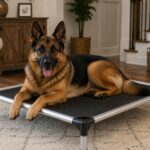
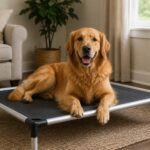
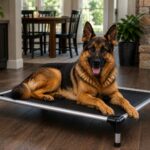
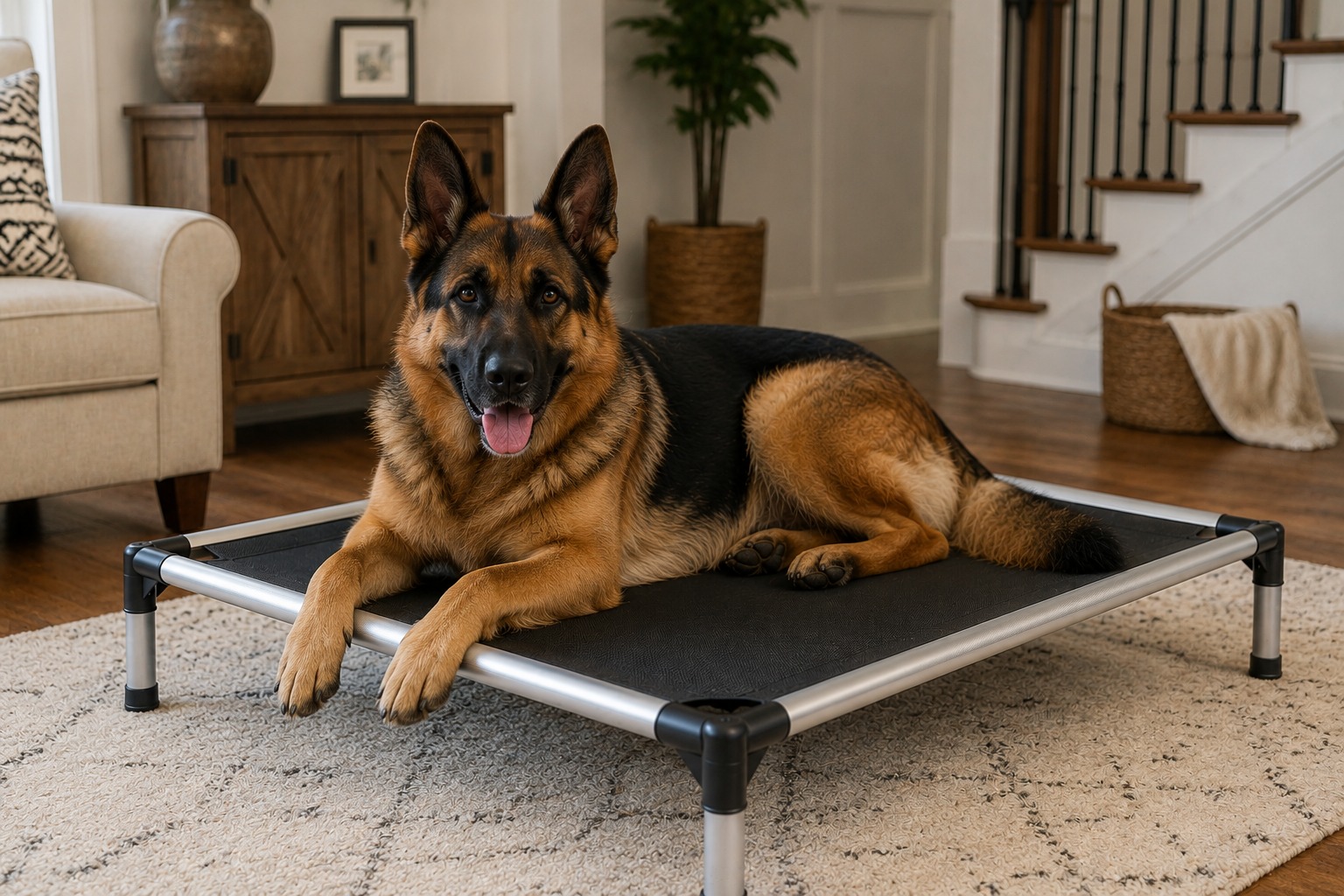
An elevated aluminum dog bed offers a different approach. Instead of a soft, stuffed interior, it typically combines a strong metal frame with a tightly secured sleeping surface. This reduces the number of loose materials available for a dog to grab and destroy.
Current 2026 comparisons identify aluminum elevated beds among the strongest options for aggressive chewers, particularly models with reinforced frames, durable fabric, and chew warranties.
If you’re shopping for a chew-resistant aluminum dog bed , here’s exactly what you should look for.
Why Choose an Aluminum Dog Bed for an Aggressive Chewer?
Traditional dog beds often contain foam, stuffing, zippers, seams, and soft edges. Once an aggressive dog creates a small tear, it can quickly become a much larger problem.
An elevated aluminum bed changes the construction completely.
Instead of a stuffed cushion, you typically get:
- Aluminum frame
- Elevated legs
- Tightly stretched fabric
- Reinforced corners
- Minimal exposed edges
- Durable sleeping surface
- Easy-to-clean construction
This can make the bed considerably harder for a destructive dog to dismantle.
For example, current aluminum chew-proof models from established manufacturers use frames that cover the edges and corners while keeping the sleeping material tightly stretched.
1. Look for a Strong Aluminum Frame
The frame is the foundation of a chew-resistant dog bed .
Don’t simply look for the word “aluminum.” Examine how the frame is constructed.
A quality heavy-duty frame should have:
- Strong aluminum tubing
- Reinforced corners
- Secure joints
- Durable fasteners
- Stable legs
- Protective feet
The corners are particularly important because they can become accessible chewing points.
For example, K9 Ballistics uses an aluminum frame that extends around the corners and edges of its chew-proof beds.
Similarly, Kuranda’s aluminum bed uses an aluminum frame and reinforced construction and is currently rated for dogs up to 250 pounds.
2. Choose a Bed With Minimal Exposed Edges
An aggressive chewer needs something to grab.
Loose fabric, exposed seams, and protruding corners can give a dog an easy starting point.
Therefore, look for a design where the aluminum frame protects the edges of the sleeping surface.
A tightly stretched platform is generally preferable to loose fabric that bunches up.
K9 Ballistics specifically states that its aluminum frame covers the edges and corners and keeps the center fabric tight, reducing wrinkles and loose material that a dog can get between its teeth.
3. Pay Attention to the Sleeping Material
The frame isn’t the only thing that matters.
Your dog will spend most of its time lying directly on the sleeping surface, so the material needs to match its behavior.
Common options include:
Heavy-Duty Vinyl
Vinyl is a strong choice for dogs that chew, scratch, dig, or frequently make a mess.
Some heavy-duty vinyl elevated beds are waterproof and designed specifically for aggressive chewers.
Ballistic Ripstop Fabric
Ballistic ripstop fabric is designed to resist punctures and tearing.
K9 Ballistics, for example, uses 1200D ripstop ballistic polyester in one of its chew-resistant aluminum beds.
Heavy-Duty Mesh
Mesh provides excellent airflow and can be useful for dogs that run hot.
However, open mesh may be less appropriate for dogs that aggressively scratch or dig. K9 Ballistics specifically notes that its mesh version is not recommended for dogs that like to dig.
For a serious digger, a heavy-duty vinyl or ripstop surface may be a better choice than open mesh.
4. Check the Weight Capacity
Aggressive chewers aren’t necessarily large dogs, but many owners shopping for heavy-duty beds also have large breeds.
Therefore, always check the maximum supported weight .
For example, some current aluminum chew-proof beds are rated for up to 250 pounds of stationary weight.
Other aluminum models have lower capacities. Veehoo’s current aluminum chew-proof model, for example, lists different capacities by size, from 70 pounds for its L size to 120 pounds for XXL.
Never assume that every aluminum bed can support a giant breed.
5. Get the Correct Size
A durable bed isn’t useful if your dog doesn’t have enough room to sleep comfortably.
Measure your dog from the tip of the nose to the base of the tail while they’re in a natural position.
Then compare that measurement with the manufacturer’s recommended bed size.
Some manufacturers recommend adding additional space to this measurement for maximum comfort. K9 Ballistics, for example, recommends adding 10 inches to the nose-to-tail measurement.
Your dog should be able to:
- Stretch out
- Turn around
- Curl up
- Change positions
- Keep all four legs comfortably on the platform
6. Look for a Chew Warranty
A manufacturer’s chew warranty can tell you a lot about how confidently the company stands behind its product.
This is particularly important when you’re buying a bed for a dog that has already destroyed multiple beds.
For example, Kuranda currently offers a one-year chew warranty , including coverage for damage caused by digging and scratching.
K9 Ballistics currently provides a 120-day Chew Proof Warranty on its Chew Proof Armored beds.
However, read the warranty conditions carefully. Some accessories or particular materials may not be covered.
7. Consider Your Dog's Chewing Style
Not every aggressive chewer destroys beds in the same way.
If Your Dog Bites the Edges
Choose a bed with an aluminum frame that protects the edges and corners.
If Your Dog Digs
Choose a tightly stretched, highly durable sleeping surface. A strong vinyl or ripstop surface may be preferable to open mesh.
If Your Dog Tears Fabric
Look for ballistic or reinforced materials.
If Your Dog Eats Stuffing
An elevated aluminum bed without foam or stuffing can remove the material your dog is targeting.
If Your Dog Scratches Constantly
Pay particular attention to the fabric’s abrasion resistance.
The right choice depends on how your dog destroys beds , not simply whether they’re labeled an aggressive chewer.
The elevated design offers benefits beyond durability.
Because the sleeping platform is raised above the floor, air can circulate underneath your dog.
This can help make the bed more comfortable during warm weather.
Furthermore, an elevated platform can keep your dog away from:
- Cold floors
- Damp ground
- Wet grass
- Dirt
- Some outdoor debris
Current comparisons highlight cooling airflow as one of the major advantages of aluminum elevated beds.
9. Consider Indoor and Outdoor Use
If you want to use the bed both inside and outside, check the entire construction.
Aluminum is naturally resistant to corrosion, but the fabric and hardware also need to be suitable for the environment.
For outdoor use, look for:
- Corrosion-resistant aluminum
- Weather-resistant fabric
- Durable hardware
- Stable feet
- Easy-to-clean surfaces
Some current chew-proof aluminum beds are designed for indoor, outdoor, and crate use.
10. Look for Easy Cleaning
Aggressive dogs aren’t always clean dogs.
Mud, dirt, hair, drool, and food can quickly accumulate on a bed.
Therefore, choose a surface that is easy to wipe or wash.
Some heavy-duty aluminum beds can simply be spot-cleaned or hosed down, depending on the material.
This can be a better advantage over traditional stuffed beds that absorb moisture and odors.
Aluminum vs Traditional Dog Beds for Aggressive Chewers
| Feature | Aluminum Elevated Bed | Traditional Soft Bed |
|---|---|---|
| Aluminum frame | Yes | No |
| Foam/stuffing | Usually none | Often present |
| Exposed seams | Minimal | Common |
| Chew resistance | High with proper design | Usually lower |
| Airflow | Excellent | Limited |
| Cleaning | Usually easy | Varies |
| Outdoor use | Often suitable | Depends on material |
| Large-dog support | Excellent with correct rating | Varies |
| Cooling | Excellent | Varies |
For a dog that repeatedly destroys traditional beds, an elevated aluminum design can therefore be a practical alternative.
Best Aluminum Dog Bed Materials for Aggressive Chewers
Here’s a quick comparison:
| Material | Chew Resistance | Cooling | Outdoor Use | Best For |
|---|---|---|---|---|
| Heavy-duty vinyl | Excellent | Moderate | Excellent | Extreme chewers & diggers |
| Ballistic ripstop | Excellent | Good | Excellent | Chewers & scratchers |
| Heavy-duty mesh | Good | Excellent | Excellent | Hot-weather dogs |
| Standard fabric | Low–Moderate | Moderate | Varies | Calm dogs |
If your dog chews and digs aggressively , prioritize durability over maximum ventilation.
If your dog is primarily a hot-weather sleeper but doesn’t dig , breathable mesh may be a better choice.
Are Aluminum Dog Beds Good for Large Aggressive Chewers?
Yes, provided you select the correct size and weight capacity.
Large aggressive chewers can put significant stress on a bed when jumping, scratching, and moving around.
Therefore, choose:
- Reinforced aluminum frame
- Strong corners
- High weight capacity
- Durable fabric
- Stable legs
- Proper sleeping dimensions
Current comparisons list aluminum chew-proof beds supporting dogs up to 250 pounds, although capacity varies between products.
Are Aluminum Dog Beds Really Chew-Proof?
This is an important distinction.
No dog bed can honestly guarantee that every aggressive
“Chew-proof” generally describes the manufa
Therefore, don’t buy a bed solely because it uses the word indestructible or chew-proof .
Instead, examine:
- Frame with
- Corner protection
- Fabric type
- Fabric attachment
- Weight capacity
- Warranty
- Replacement parts
- Customer feedback
This gives you a much better idea of whether the bed is suitable
Aluminum Dog Bed vs Steel Dog Bed for Chewers
Both materials can create durable elevated beds.
Aluminum
Advantages:
- Lightweight
- Corrosion resistant
- Easy to move
- Strong
- Suitable for you
Steel
Advantages:
- Heavy
- Stable
- Strong
- Often less expensive
If portability and corrosion resistance are priorities, aluminum is particularly attractive.
For a permanent kennel setup where weight isn’t an issue, a steel frame can also work well.
How to Make Your Aluminum Dog Bed Last Longer
Even a heavy-duty bed benefits from proper maint
Inspect the Frame
Regularly check corners, joints, legs, and fasteners.
Check the Fabric
Look for small tears before they become large ones.
Clean Regularly
Remove hair, dirt, and debris.
Keep the
If used outdoors, follow the manufacturer’s cleaning and storage instructions.
Address Chewing Early
If your dog starts chewing a particular corner or edge, intervene before significant damage occurs.
Choosing Only by Price
A cheap bed may cost more over time if you repeatedly replace it.
Ignoring the Warranty
A strong chew warranty can provide valuable protection.
Buying the Wrong Size
Your dog needs enough room to stretch comfortably.
Choosing Mesh for a Serious Digger
Mesh can provide excellent airflow but may not be the best choice for a dog that aggressively digs.
Ignoring Weight Capacity
Always check the exact model and size.
Assuming Every Aluminum Bed Is Heavy-Duty
Aluminum alone doesn’t guarantee durability
Use this quick checklist before buying:
✔ Aluminum frame
✔ Protected corners
✔ Minimal exposed edges
✔ Tightly stretched sleeping surface
✔ Hea
✔ Suitable weight capacity
✔ Correct size
✔ Stable legs and feet
✔ Chew warranty
✔ Easy cleaning
✔ Outdoor suitability if required
✔ Replacement parts if available
If a bed mee
The best aluminumare built around one si
A strong aluminum frame protects the structure, while a tightly secured and durable sleeping surface reduces opportunities for chewing, digging, and tearing.
For extreme chewers, heavy-duty vinyl or ballistic ripstop fabric can be preferable to standard fabric. For dogs that primarily need cooling and are not aggressive diggers, breathable mesh can provide excellent airflow.
Most importantly, don’t choose based on the phrase “chew-proof” alone. Check the frame, corners, fabric, weight capacity, dimensions, warranty, and your dog’s specific chewing behavior .
With the right combination of these features, an aluminum elevated dog bed can provide a durable, comfortable, easy-to-clean sleeping space that lasts much longer